


Building the People's Bay Area together Chen Yuehong: Promoting the study of youth innovation culture in the Guangdong-Hong Kong-Macao Greater Bay Area - Building the People's Bay Area together

Construction with scientific and humanistic characteristics“New liberal arts”Creating a future innovative talent training platform is the current career focus of Chen Yuehong and his team. However, at present, he also has an important focus on promoting the research of youth innovation culture in the Guangdong-Hong Kong-Macao Greater Bay Area, which is also a key project for his team to participate in the construction of the Humanities Bay Area. Recently, Chen Yuehong, Dean and Chair Professor of the School of Humanities and Social Sciences of SUSTech, accepted Reading Creation/Shenzhen Business Daily reporter interviewed, from the perspective of comparative culture to share his views on the construction of the human Bay Area.
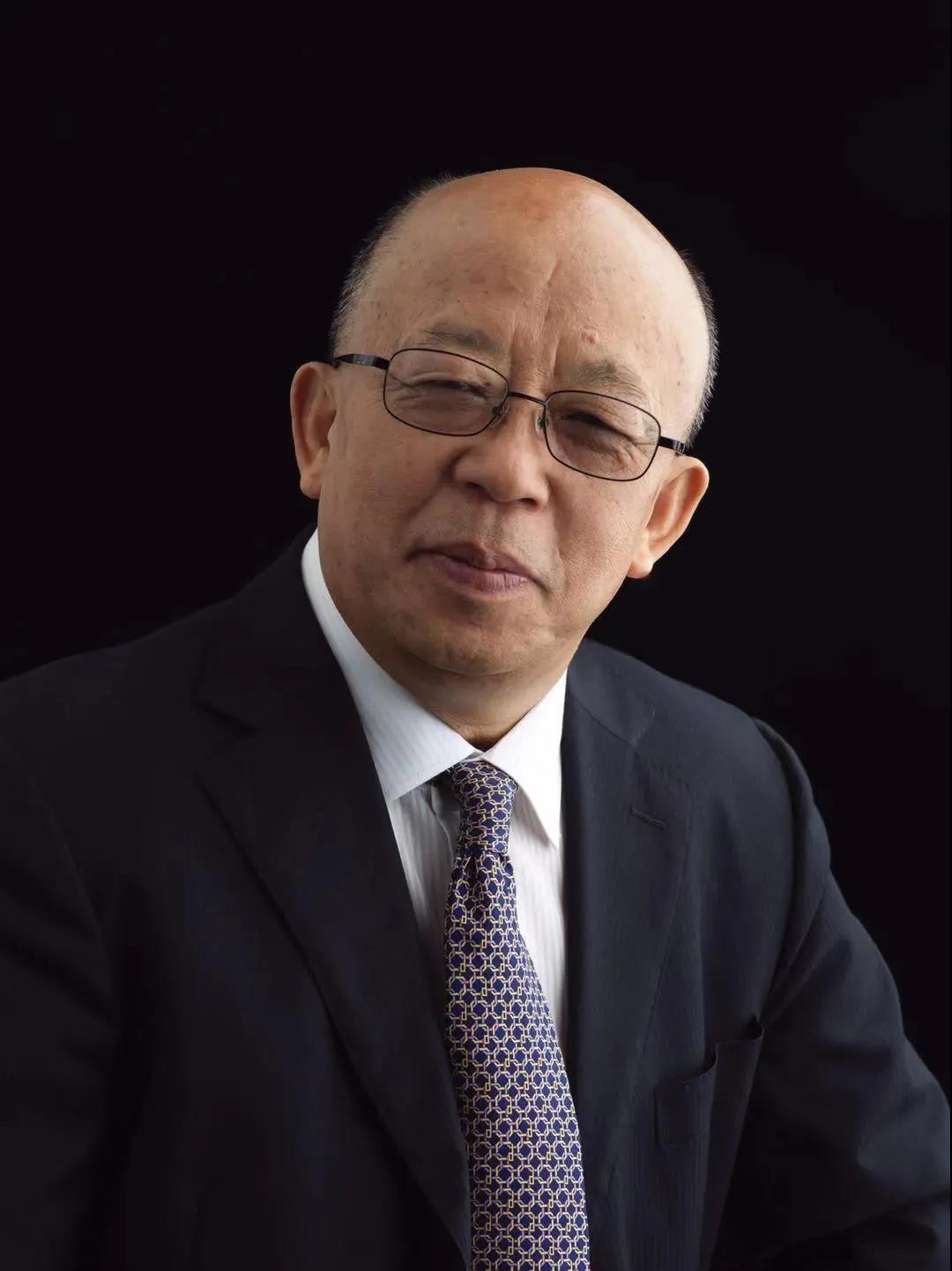
▲Chen Yuehong, Dean and Chair Professor, School of Humanities and Social Sciences, SUSTech
Reading Creation/Shenzhen Business Daily:“Guangdong-Hong Kong-Macao Greater Bay Area”It's an economic concept, it's a cultural concept. How to view the construction of the Humane Bay Area from the perspective of comparative culture?
Chen Yuehong:The construction of the Humane Bay Area is not a drawing on a blank sheet of paper, but is based on the existing culture in the Bay Area. The current cultural structure of the Greater Bay Area is basically composed of four parts: The first is the existing traditional culture in the Lingnan area, including the Chaoshan culture, the Guangfu culture and the Hakka culture in the mountainous area with marine cultural characteristics. They are an important part of the southern part of Chinese culture and the regional cultural foundation for the construction of the Humanistic Bay Area. The second is that since the reform and opening up, the central plains, northwest, southwest, Jiangsu, Zhejiang and Shanghai, and northeast regions, along with the influx of people into Shenzhen, Guangzhou, Zhuhai and dozens of Chinese provinces throughout the Greater Bay Area, these traditional cultures of different regions from east to west, including living choices, crowd exchanges, language habits, living customs, eating characteristics, entertainment hobbies, etc., have become an integral part of the Bay Area culture for decades. The third is the Hong Kong and Macao culture and Western culture introduced into the mainland since the reform and opening up, especially the modern popular culture of Hong Kong and Macao that blends the elements of Eastern and Western culture. The impact on the daily life of the Greater Bay Area can be said to be ubiquitous. In addition, the fourth category is the new culture of the Special Economic Zone that has begun to take shape in the past 40 years of reform and opening up. This culture, which integrates modern science and technology, commodity economy, immigrant society and hometown complex, is becoming the initial home of the youth spirit in the Bay Area.
The above four types of culture constitute the basic structure of the culture of the Greater Bay Area at present, and are the comprehensive and diversified foundation for the construction of the Humanity Bay Area. However, it is impossible for any of these cultures to lay the foundation for the cultural independence of the New Bay Area. The construction of the new cultural Bay Area in the future is neither a copy of the regional culture of Lingnan, nor an introduction of diverse local cultures including Central Plains culture, nor is it possible to copy Hong Kong, Macao and Western culture. Of course, it will not be a simple extension of the current SAR culture, but based on the needs of the future cultural and civilizational development of the Greater Bay Area, based on the creation of a new generation of people who can identify and take root in the Bay Area, so that the modern transformation and new cultural creation of the four categories of cultures mentioned above can be carried out. The goal is to build a brand new era culture that is both ethnocultural in nature and modern cultural leadership consciousness, which can nurture the people to take root in the culture of the Bay Area and continuously survive and develop.

Reading Creation/Shenzhen Business Daily:In recent years, you have led a study on the culture of youth innovation in the Guangdong-Hong Kong-Macao Greater Bay Area at SUSTech. What does this study suggest for the construction of the Humanities Bay Area?
Chen Yuehong:Whether it is the creation of the cultural Bay Area or the current social and economic construction, culture is an important foundation, motivation and key element that cannot be separated. As we move into artificial intelligence,5G, bioengineering and the quantum era, we especially need to re-recognize the value and significance of culture, I understand that culture is not only to solve the uselessness of values, moral literacy and civilization, he is playing an important role in the driving force of innovation and productivity factors. The Bay Area has invested a lot in cultural space construction and hardware facilities, and is constantly building and improving such as book cities, music halls, theaters, museums, cultural festivals, etc.
But we must not forget a more important aspect, which is to pay attention to solving the complex relationship between these spaces and hardware and the multicultural population in the Bay Area. How they access these spaces, how they enjoy these facilities, and through these spaces and facilities to participate, create and share the new culture of the Bay Area, is obviously a very important issue. In particular, hundreds of thousands of young people from the new era come to Shenzhen every year and come to the Bay Area. How do they go into the construction of various Bay Area cultures with the sense of ownership, participate in the construction of Bay Area cultures, and identify with the unique culture belonging to the Bay Area from the heart? And to be able to proudly show the Bay Area's distinctive culture to the outside world, like showcasing the food and traditions of your hometown, seems like a question that not many people seem to think about. Since they are required to take root in the Bay Area, what kind of culture will allow them to survive and be attached to it for a long time? In other words, when can young people really rely on the Greater Bay Area on a cultural level, and be proud of it, even if the construction of Bay Area culture has been successful for most of the time.

Reading Creation/Shenzhen Business Daily:From this point of view, what are the ways to help the construction of the cultural Bay Area?
Chen Yuehong:In addition to the construction of the cultural Bay Area, in addition to having a good system and policy design, implemented by uncompromised operation, and continuing to carry out the construction of cultural space hardware and cultural industry, I believe that another area that requires special attention and effort is the Bay Area.“Pemain”, value identity, psychological perfection and the construction of a new regional culture. We must focus on the intangible needs created by people's quality, create a cultural environment that penetrates into grassroots communities, create learning opportunities and exchange opportunities for new cultures, encourage and advocate cultural innovation, and pay attention to the mental health of different people, especially young people, so that they can culturally“Home”, which makes them nostalgic for their hometown culture, but they are also inseparable from the Bay Area culture, understand the foreign and Hong Kong and Macao culture, and take pride in the modern characteristics of the Bay Area culture. Suppose we say“It's the Bay Area people who are coming”, then it should be in the Bay Area's characteristic cultural construction, so that people from all sides of the Bay Area, especially young people, have support in clothing, food, shelter and travel, can cultivate the unique style of the Bay Area in speech and behavior, can have a unique personality in culture and art, and can maintain the inner heart and identity of the Bay Area in culture and psychology, so that the so-called Humanity Bay Area can truly be reflected in culture, psychologically, and can be personally felt in daily life, and have good expectations in future development. If this is the case, the modern roots of the culture of the cultural Bay Area may gradually be deeply embedded in the soil of the Greater Bay Area, and a generation of Bay Area cultural newcomers will grow up with the new culture of the Bay Area.
Jian Shi’s profile:
Chen Yuehong, currently a professor at SUSTech and dean of the College of Humanities and Social Sciences, formerly a professor at Peking University and head of the Chinese Department at Peking University (2012-2016), Councilor of Peking University, concurrently serves as the National Library“Wenjin Forum”Distinguished Professor, Professor at the University of Macau (short-term), Professor of Exchange at the National Chungnam University of Korea, Visiting Professor at the Taiwan University of Practice, Visiting Scholar at the University of Hong Kong, Visiting Scholar at the University of Leiden in the Netherlands. Vice President of the Chinese Society for Comparative Literature, Editor-in-Chief of the Journal of Comparative Literature and World Literature, Editorial Board of the Journal of Comparative Literature in China, etc.
The article is reprinted from "Reading and Creating Cultural Plaza"


