


The second lecture of the "Celebrity Party Building Series Forum" of the School of Humanities and Social Sciences of SUSTech: "The Remains and Relics of the Anyuan Strike and the Autumn Harvest Uprising" Lecture
In order to celebrate the 100th anniversary of the founding of the Communist Party of China, the College of Humanities and Social Sciences organized and planned to organize the leaders of the College, the director of the Center, and famous professors to talk about the construction of the Party, the history of the Party, and the teaching and education of people under new circumstances from a professional standpoint and the perspective of the new liberal arts.2021&Year6Month18In the afternoon of the day, the second lecture of the "Lecture Series on Party Building of Famous Humanities and Famous Famous People" was held at theBSEAT101The conference room opened. Professor Tang Jigen, Professor of Social Science Center, shared the story of the early revolution of the Communist Party of China, "the relics and relics of the Anyuan Great Strike and the Autumn Harvest Uprising". Chen Yuehong, President of the Academy of Humanities and Social Sciences, Shen Hong, Director of the Center for Higher Education, Wang Dejun, Director of the Center for Thinking and Politics, members of the Office of Safety, Health and Environment, faculty and staff of the School of Medicine and the Academy of Humanities and Social Sciences, and more than 50 people participated. This lecture was hosted by Zhao Jianhua, Secretary of the Party Branch of the Academy of Humanities and Social Sciences.
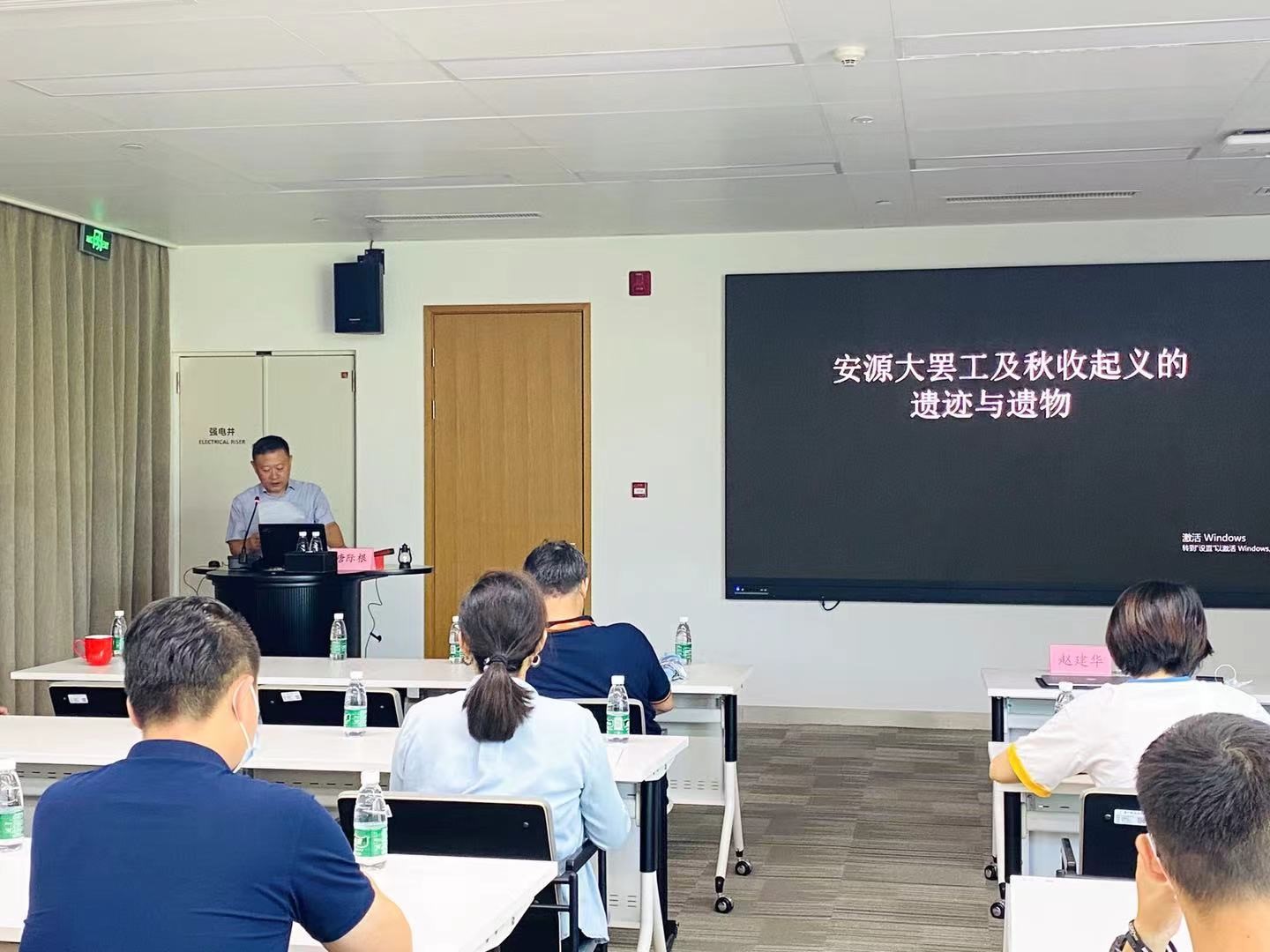
Secretary Zhao Jianhua presiding over Professor Tang Jigen's report
Tang Jigen is currently a professor at the School of Humanities and Social Sciences of the Southern University of Science and Technology, vice president of the China Yinshang Cultural Society, executive deputy director of the Xia Shang Professional Steering Committee of the Chinese Archaeological Society, deputy director of the Cultural Heritage Professional Steering Committee of the Chinese Archaeological Society, member of the Expert Committee of the Ancient Civilizations Research Center of the Chinese Academy of Social Sciences, and part-time deputy curator of the Chinese Character Museum. He is the host of two major projects of the National Social Science Fund, "Excavation and Research of the Northern Shangcheng" (2020) and "Field Archaeological Data and Oracle Interpretation" (2015).
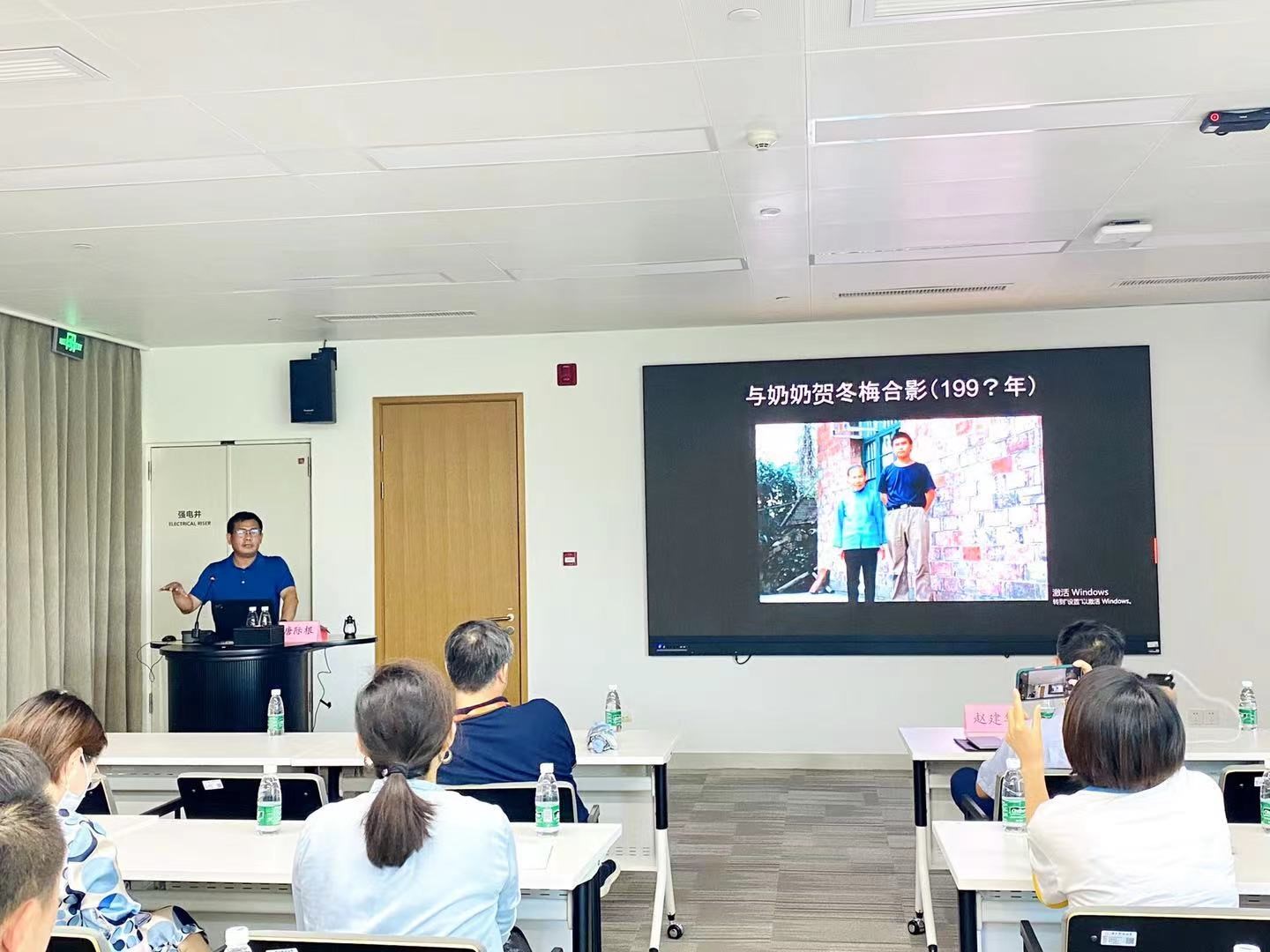
Professor Tangjigen Lecture Live
Professor Tang Jigen was born in Pingxiang, Jiangxi Province. His great-grandfather was a participant in the Anyuan Strike and the Autumn Harvest Uprising. Professor Tang Jigen listened to his grandmother tell the story of the revolution from childhood. In the exhibition hall of the Anyuan Road Miners' Movement Memorial Museum, there are artifacts of the Great Strike donated by Grandmother Tang Jigen. Today, Professor Tang Jigen will collect and collate oral materials, relics and relics in series, telling the difficult years of the early Communist Party of China that he understood as a post-revolutionary. In order to meet the needs of the Hanyang Iron Works, the Pingxiang Anyuan Coal Mine was developed and the Zhu Ping Railway was built. In 1908, the Han Yeping Company was established. Therefore, Anyuan has a large base of roadworkers and coal miners. Professor Tang grasped the important time nodes, spatial relations and Guan Jian characters to start the narrative, and summarized the content into four parts: two years of red tide, four years of momentum, autumn harvest uprising and personal experience to start this lecture:
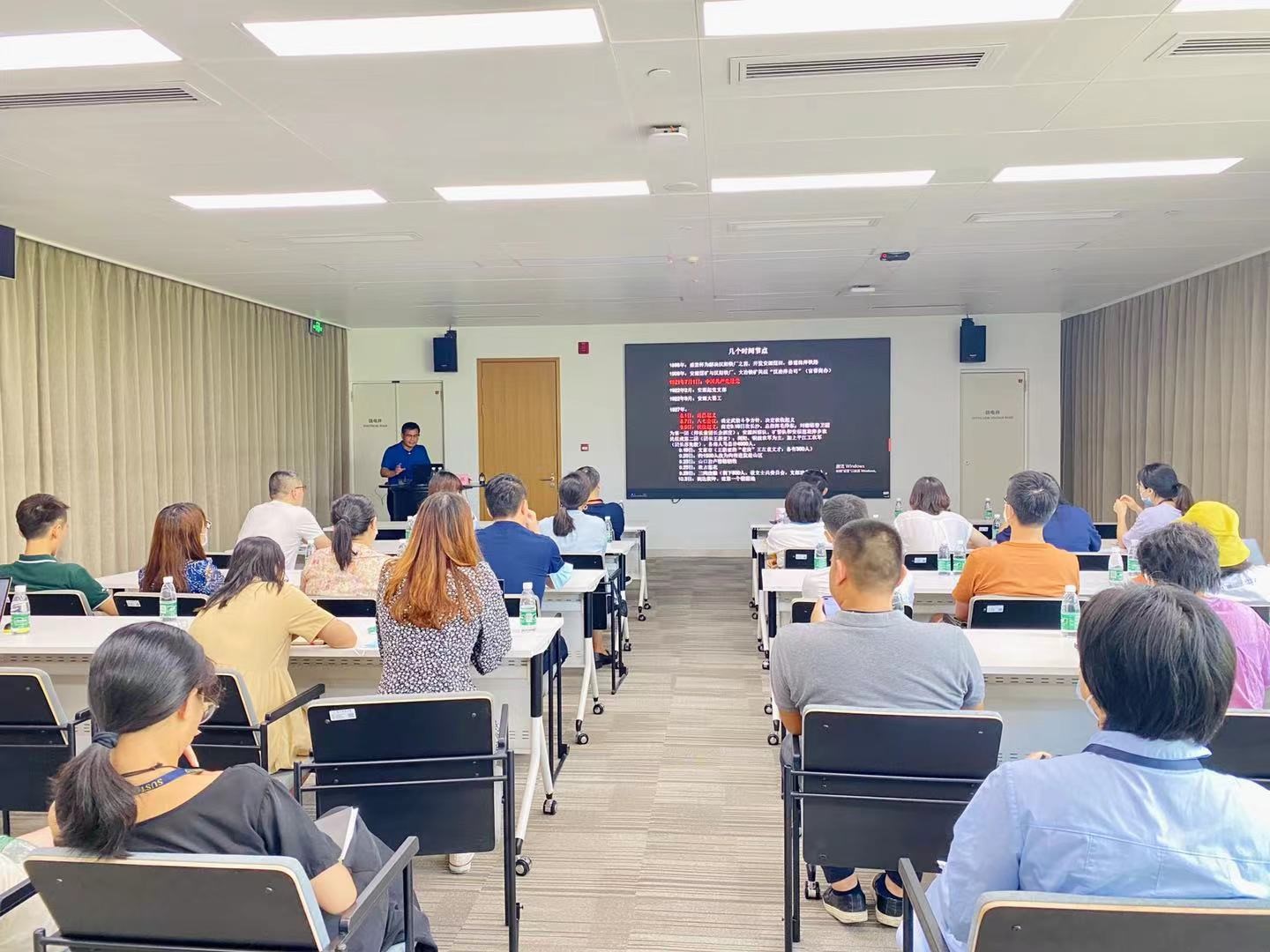
Professor Tangjigen Lecture Live
Two years of red tide: between 1921 and 1922. In July 1921, the Communist Party of China was founded in Shanghai. In February 1922, the first party branch in China composed of industrial workers was born in the Anyuan Coal Mine in Pingxiang, Jiangxi. The Anyuan Party branch opened night schools, organized coal miners' clubs, and united all mass forces. In September 1922, under the leadership of Mao Zedong, the Anyuan strike broke out and won, not only gaining due power and protection for the working class, but also accumulating valuable experience for the working class struggle.
Four years of momentum: 1924-1927, during which the workers' tide lost, the Kuomintang cooperative northern expedition, the head of the coal miners' club Huang Jingyuan was killed, etc., the Communist Party of China accumulated revolutionary forces in practice and blood.
On August 1, 1927, the Nanchang Uprising broke out, and the 87th Congress was held on August 7. Immediately after the Autumn Harvest Uprising broke out on September 9, Anyuan coal miners were armed and became the backbone of the Autumn Harvest Uprising. Combining revolutionary sites and relics, Professor Tang detailed the whole process of Guan Jian people, armed forces, routes and so on in the Autumn Harvest Uprising.
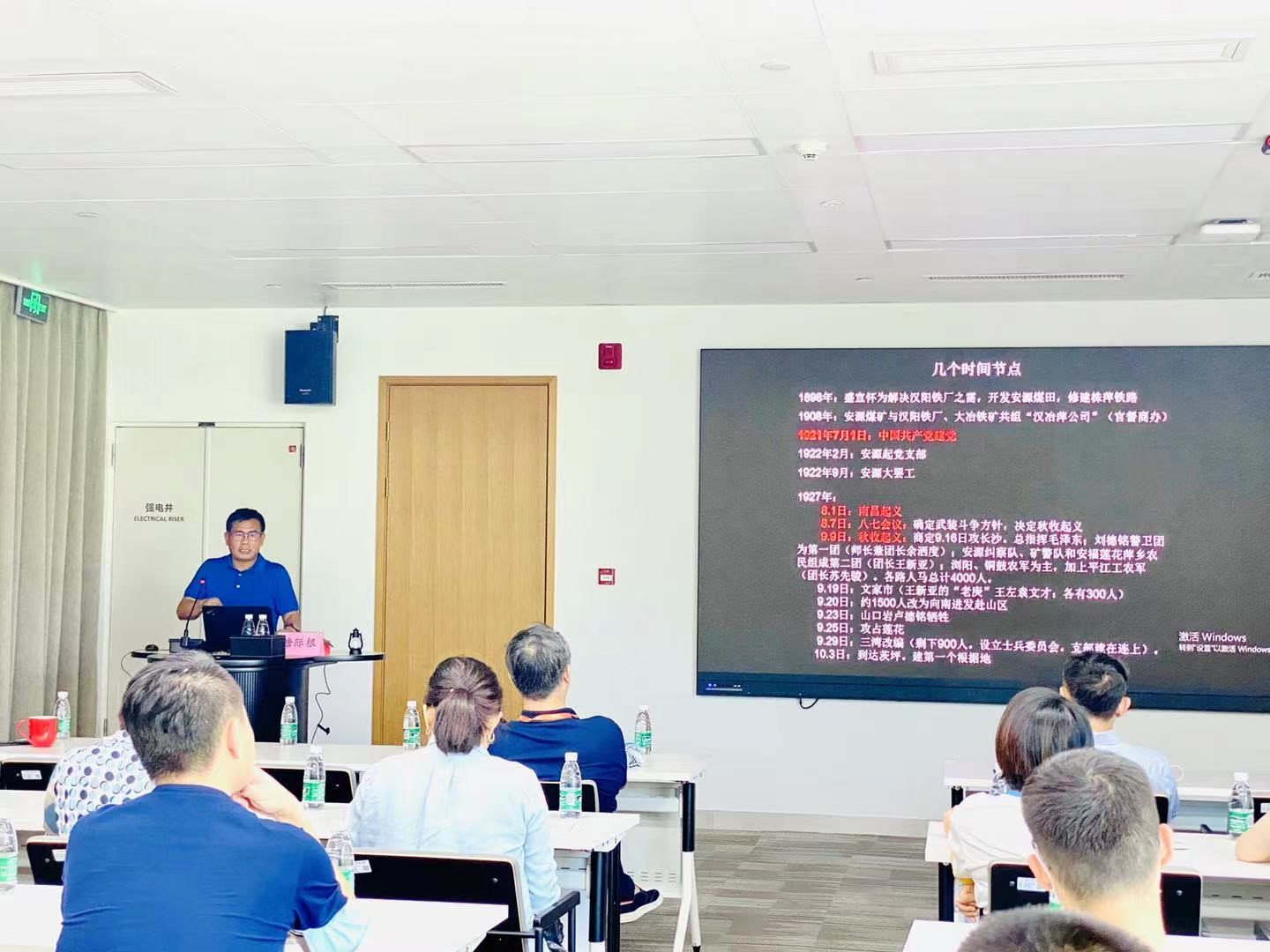
Professor Tangjigen Lecture Live
Finally, Professor Tang Jigen shared some of his feelings about the Anyuan Strike and the Autumn Harvest Uprising. Under the brutal conditions of difficulties, setbacks, and constant sacrifices in the early revolution, the leaders had a firm revolutionary belief, which kept the revolution on fire. The early revolutionary work was very creative, and the establishment of night schools, clubs, and the establishment of party branches in the army promoted the growth of revolutionary forces. At the same time, Professor Tang put forward three suggestions on the protection and inheritance of revolutionary relics at this stage: first, strengthen the collation and interpretation of sites and relics; second, collect and collate revolutionary oral history materials; third, enhance the practice and space concept of interpretation and expression of cultural relics.
Through the personal experience of the family, Professor Tang shared with you the difficult years of the early revolution of the Communist Party of China from a professional perspective. The comrades present expressed that they had gained a lot, strengthened their belief in the Party, continued the spirit of the Communist Party of China not being afraid of difficulties in their future work and life, and fought for the cause of communism.


